
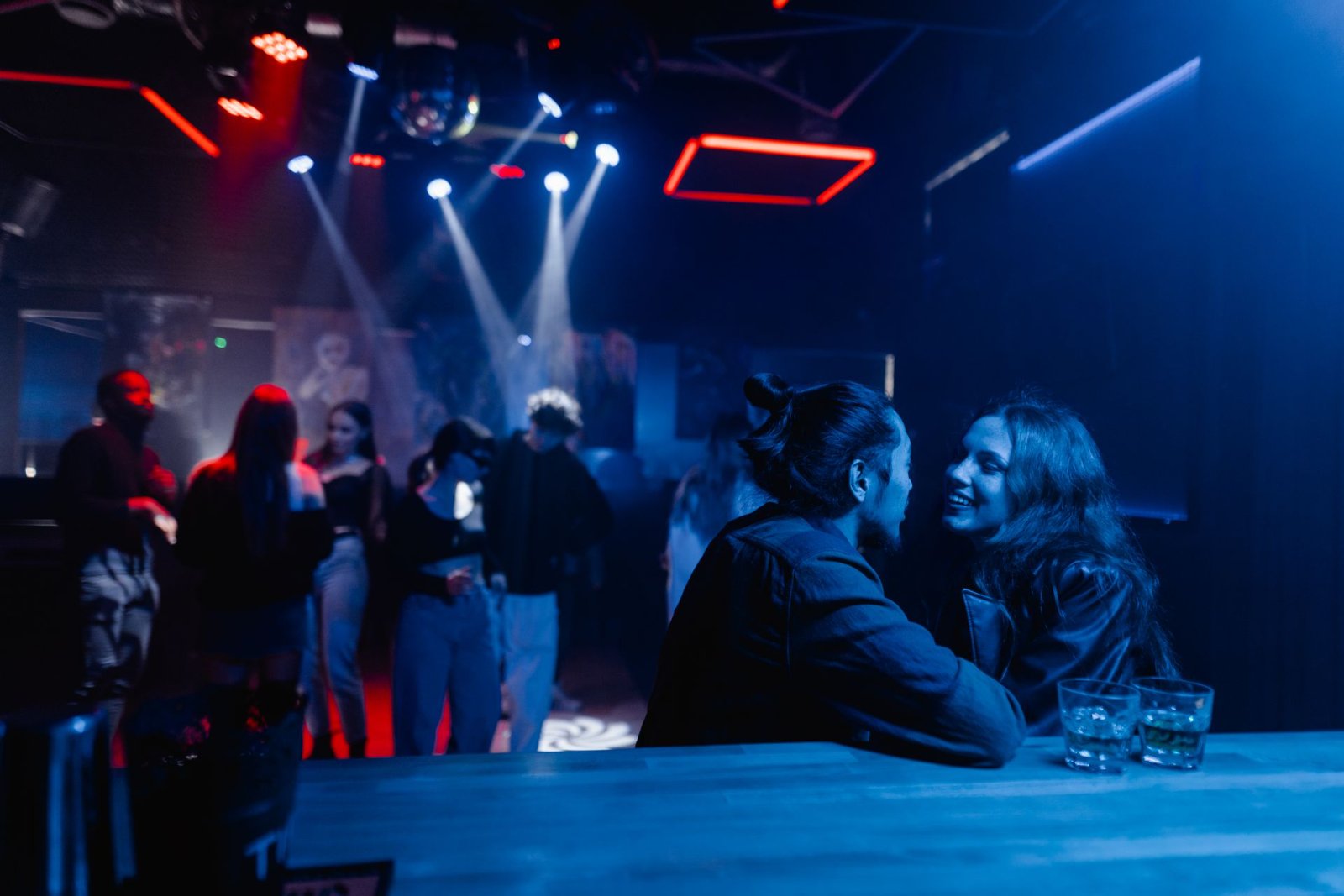
There’s something undeniably electric about your first bar crawl. Whether you’re navigating the iconic venues along the Sunset Strip in CA or exploring a neighborhood for the first time, the experience carries a unique charge that veterans of the bar crawl scene often describe as impossible to fully replicate. But why is that? What is it about novelty, social dynamics, and environmental stimulation that makes a first-time bar crawl feel like one of the most thrilling nights of your life?
In this article, we dive deep into the psychology behind why bar crawls feel so exhilarating when you’re new to the experience — and how understanding these principles can help you recreate that magic, even after you’ve been on dozens of them. We’ll also explore how organized events like those offered by Barcrawlerz on the Sunset Strip are specifically designed to maximize that sense of excitement for newcomers and seasoned crawlers alike.
The Neuroscience of Novelty: Why New Experiences Feel So Good
Before we can understand why a first bar crawl feels so exciting, we need to understand what happens in the brain when we encounter something new. Neuroscientists have long studied the relationship between novelty and dopamine — the neurotransmitter most commonly associated with pleasure and reward.
When you walk into a bar you’ve never visited before, your brain’s dopaminergic system lights up. This isn’t just a metaphor — studies using brain imaging technology have shown that novel stimuli activate the substantia nigra and ventral tegmental area, regions of the brain responsible for dopamine production. This surge of dopamine creates a sensation of excitement, alertness, and heightened pleasure.
“Novelty-seeking is one of the most fundamental human drives. When we encounter new environments, our brains are essentially rewarded for exploring and learning — a trait that helped our ancestors survive and thrive.” — Neuroscience research on exploratory behavior
On a bar crawl, this novelty effect is multiplied because you’re not just entering one new environment — you’re entering several over the course of a single night. Each new bar brings a fresh wave of sensory input: new music, new lighting, new smells, new people, and new social dynamics. For someone experiencing this for the first time, the cumulative effect is an almost overwhelming sense of joy and excitement.
The Role of Dopamine in Anticipation
Interestingly, dopamine isn’t just released when you experience something pleasurable — it’s also released in anticipation of a pleasurable event. This means that even before you step foot into the first bar on the Sunset Strip, your brain is already priming itself for excitement. The act of getting ready, traveling to the starting point, and meeting up with friends all contribute to a dopamine build-up that makes the actual experience feel even more rewarding.
For first-timers, this anticipatory excitement is particularly intense because the brain doesn’t yet have a reference point for what to expect. The unknown itself becomes a source of dopamine. Experienced crawlers, on the other hand, have a mental model of what to expect, which can dampen — though not eliminate — that anticipatory thrill.
Habituation: Why the Excitement Fades Over Time
Psychologists use the term “habituation” to describe the process by which our response to a stimulus weakens with repeated exposure. Think about how the first time you heard your favorite song, it gave you chills — but after the hundredth listen, it’s just background noise. The same principle applies to bar crawls.
After you’ve been on several bar crawls, your brain begins to recognize the pattern. The novelty diminishes, and with it, the dopamine surge. This doesn’t mean the experience stops being enjoyable — it simply means it becomes more familiar, and therefore less neurologically stimulating. Understanding this is the first step toward strategies for keeping the experience fresh.
Social Psychology and the Power of Group Dynamics
Bar crawls are fundamentally social events, and the social psychology at play is just as important as the neuroscience of novelty. For first-timers, the social dimension of a bar crawl adds an entirely new layer of excitement that experienced participants may take for granted.
Social Facilitation: Performing Better with an Audience
One of the oldest and most well-documented phenomena in social psychology is social facilitation — the tendency for people to perform better on tasks when others are present. On a bar crawl, this manifests in the heightened energy and enthusiasm that comes from being part of a group. When you’re surrounded by people who are all excited about the same experience, that excitement becomes contagious.
For newcomers, this effect is amplified because they haven’t yet developed the social scripts for navigating a bar crawl. Every interaction — introducing yourself to a stranger, joining a group game, ordering a round of drinks — feels like a performance, and the presence of a supportive group makes that performance feel thrilling rather than anxiety-inducing.
The Bystander Effect in Reverse: Collective Enthusiasm
While the bystander effect typically describes how people are less likely to take action when others are present, bar crawls create the opposite dynamic. The collective enthusiasm of the group encourages individual participation. When everyone around you is dancing, laughing, and engaging with strangers, you’re far more likely to do the same — especially if it’s your first time and you’re looking to others for social cues.
This is one of the reasons why organized bar crawls, like those hosted by Barcrawlerz on the Sunset Strip in CA, tend to feel more exciting than informal outings with a small group of friends. The larger the group, the more powerful the collective energy, and the more intense the experience for every individual participant.
Identity and Self-Expansion Theory
Psychologist Arthur Aron’s self-expansion theory suggests that people are fundamentally motivated to expand their sense of self by acquiring new resources, perspectives, and identities. Novel social experiences — like a first bar crawl — offer a powerful opportunity for self-expansion. You’re not just visiting new places; you’re potentially becoming a new version of yourself, at least for the night.
For newcomers, this sense of self-expansion is at its peak. The bar crawl becomes a kind of identity adventure — a chance to try on new social personas, meet people from different walks of life, and discover aspects of yourself you didn’t know existed. This psychological dimension adds a richness to the experience that goes far beyond simple entertainment.
Environmental Psychology: How the Sunset Strip Sets the Stage
The environment in which a bar crawl takes place plays a massive role in shaping the psychological experience. And few places in the world are better suited to the bar crawl format than the Sunset Strip in Los Angeles, CA.
The Power of Iconic Environments
The Sunset Strip carries decades of cultural weight. From the legendary rock clubs of the 1970s and 80s to the trendy cocktail bars and rooftop lounges of today, this stretch of Sunset Boulevard is steeped in history and mythology. For first-timers, walking these streets for the first time on a bar crawl carries an almost cinematic quality — you’re not just having a night out, you’re participating in a cultural institution.
Environmental psychologists have long recognized that the symbolic meaning of a place can significantly enhance the emotional experience of being there. When you know you’re on the same strip where rock legends partied, where movie stars have been spotted, and where countless unforgettable nights have unfolded, your brain assigns greater significance to your own experience. This heightened sense of meaning amplifies the excitement of every moment.
Sensory Overload and Cognitive Engagement
The Sunset Strip is a sensory feast — neon lights, live music spilling out of open doors, the hum of traffic, the laughter of crowds, the smell of food from nearby restaurants. For a first-time bar crawler, this sensory richness is both overwhelming and exhilarating. The brain is working overtime to process all of this new information, which creates a state of heightened cognitive engagement that feels intensely alive.
Psychologists refer to this state as “flow” — a condition of complete immersion in an experience where time seems to pass differently and self-consciousness fades away. While flow is typically associated with focused activities like sports or creative work, it can also be triggered by richly stimulating social environments. The Sunset Strip bar crawl experience, particularly for newcomers, is one of the most reliable triggers of this flow state in a social context.
The Contrast Effect: Moving Between Different Environments
One of the unique psychological features of a bar crawl — as opposed to a single night at one venue — is the contrast effect. When you move from a dark, intimate jazz bar to a high-energy dance club, the contrast between the two environments makes each feel more distinct and memorable. Your brain is constantly recalibrating, and each new environment feels fresh and exciting by comparison to the last.
For first-timers, this contrast effect is particularly powerful because they have no prior experience of these venues to compare against. Every transition is a genuine surprise, and the cumulative effect of multiple contrasting environments creates a rich tapestry of memories that makes the night feel longer and more eventful than it actually was.
The Psychology of Alcohol and Social Lubrication
It would be disingenuous to discuss the psychology of bar crawls without addressing the role of alcohol. While bar crawls can absolutely be enjoyed without drinking, for many participants, moderate alcohol consumption is part of the experience — and it has well-documented psychological effects that contribute to the excitement of the event.
Alcohol and the Reduction of Social Anxiety
One of the most commonly cited reasons people drink in social settings is the reduction of social anxiety. Alcohol works on the GABA receptors in the brain, producing a calming effect that makes social interaction feel less threatening. For first-time bar crawlers who may feel nervous about meeting strangers or navigating unfamiliar environments, this effect can be genuinely liberating.
It’s important to note that this effect is most beneficial at low to moderate levels of consumption. Excessive drinking tends to impair social functioning rather than enhance it, which is why responsible bar crawl organizers like Barcrawlerz emphasize pacing and hydration throughout their events.
Alcohol and the Enhancement of Positive Emotions
Research has also shown that alcohol can enhance positive emotions in social settings — not just by reducing anxiety, but by amplifying feelings of warmth, connection, and joy. When you’re on your first bar crawl, surrounded by new friends and exciting environments, this enhancement of positive emotions can make the experience feel almost euphoric.
This is why so many people describe their first bar crawl as one of the best nights of their lives. It’s not just the novelty, the social dynamics, or the environment — it’s the way all of these factors interact with the mild effects of alcohol to create an experience that feels genuinely extraordinary.
Memory Formation and the Reminiscence Bump
Psychologists have identified a fascinating phenomenon called the “reminiscence bump” — the tendency for people to have more vivid and accessible memories of events that occurred during periods of novelty and change, particularly in young adulthood. First experiences are disproportionately well-remembered, and this has profound implications for understanding why first bar crawls feel so significant.
Why First Experiences Are More Memorable
When you experience something for the first time, your brain encodes the memory with a richness and detail that subsequent experiences rarely match. This is partly because the novelty of the experience triggers a stronger emotional response, and emotions are one of the most powerful drivers of memory consolidation. It’s also because first experiences require more cognitive effort to process — you’re not relying on existing mental schemas, so you’re paying closer attention to every detail.
This means that your first bar crawl on the Sunset Strip is likely to be one of the most vividly remembered nights of your life, regardless of how many bar crawls you go on afterward. The psychological richness of the first-time experience creates memories that are unusually detailed, emotionally charged, and long-lasting.
The Role of Storytelling in Memory Enhancement
One often overlooked aspect of the bar crawl experience is the storytelling that happens afterward. When you share your first bar crawl story with friends, family, or colleagues, you’re not just recounting an event — you’re actively reinforcing and enhancing the memory. Each retelling adds new emotional weight to the experience, making it feel even more significant in retrospect.
This is why bar crawl organizers like Barcrawlerz often encourage participants to document their experience through photos and social media posts. These artifacts serve as memory anchors that help preserve the vividness of the experience and provide prompts for future storytelling.
How Barcrawlerz Leverages Psychology to Create Unforgettable Experiences on the Sunset Strip
Understanding the psychology behind the bar crawl experience isn’t just academically interesting — it has practical implications for how bar crawls are organized and marketed. Barcrawlerz, one of the premier bar crawl organizers on the Sunset Strip in CA, has developed a format that intuitively leverages many of the psychological principles we’ve discussed in this article.
Structured Novelty: The Art of the Curated Route
One of the key challenges in bar crawl design is maintaining the sense of novelty throughout the evening. Barcrawlerz addresses this by carefully curating routes that move participants through a diverse range of venues — from intimate cocktail bars to high-energy clubs — in a sequence designed to maximize the contrast effect. Each stop feels distinct from the last, ensuring that the dopamine-driven excitement of novelty doesn’t fade too quickly.
The Sunset Strip offers an ideal canvas for this kind of curated experience, with its eclectic mix of venues ranging from historic rock clubs to sleek modern lounges. Barcrawlerz takes full advantage of this diversity, creating routes that feel like a genuine tour of the Strip’s personality and history.
Social Architecture: Building Community Among Strangers
Barcrawlerz also understands the importance of social dynamics in creating an exciting bar crawl experience. Their events are designed to facilitate connections between participants — through icebreaker games, group challenges, and guided introductions — in ways that accelerate the social bonding process.
This social architecture is particularly valuable for first-timers who may feel nervous about joining a group of strangers. By providing structured opportunities for connection, Barcrawlerz helps newcomers overcome the initial social anxiety that might otherwise dampen the excitement of the experience.
Responsible Fun: Keeping the Experience Positive
Perhaps most importantly, Barcrawlerz prioritizes the safety and well-being of all participants. This includes encouraging responsible drinking, providing water and snacks at key stops, and ensuring that everyone has a safe way to get home at the end of the night. This commitment to responsible fun isn’t just ethically important — it’s also psychologically smart. Negative experiences (like getting too drunk or feeling unsafe) can permanently color the memory of a first bar crawl, turning what should be a positive experience into an aversive one.
“The best bar crawl experiences are those where participants feel safe, supported, and free to be themselves. When those conditions are met, the psychological magic of novelty, social connection, and environmental stimulation can work its full effect.” — Bar crawl event philosophy
Tips for First-Time Bar Crawlers: Maximizing the Psychological Experience
If you’re planning your first bar crawl on the Sunset Strip — or anywhere else — there are several things you can do to maximize the psychological excitement of the experience.
Embrace the Unknown
Resist the urge to research every venue on the route beforehand. The less you know about what to expect, the more powerful the novelty effect will be. Let yourself be surprised — by the venues, by the people you meet, and by your own reactions to the experience.
Engage Fully with Each Environment
Don’t spend the whole night on your phone. Put it away (except for the occasional photo) and engage fully with each environment you enter. Talk to the bartenders, listen to the music, take in the decor. The more sensory input you absorb, the richer your memories will be.
Say Yes to New Connections
One of the greatest gifts of a bar crawl is the opportunity to meet people you’d never encounter in your normal social circles. Say yes to conversations with strangers. Accept invitations to join group activities. The social connections you make on a bar crawl can be surprisingly meaningful, and they add an irreplaceable dimension to the experience.
Pace Yourself
The psychological excitement of a bar crawl is best experienced with a clear head. Pace your drinking, alternate with water, and eat before you go out. This isn’t just about safety — it’s about ensuring that you’re cognitively present enough to fully absorb and enjoy the experience.
Choose an Organized Event
If it’s your first time, consider joining an organized bar crawl like those offered by Barcrawlerz on the Sunset Strip. The structured format, curated route, and built-in social community will significantly enhance your experience compared to going it alone or with just a small group of friends.
Conclusion: The Magic of the First Bar Crawl and How to Keep It Alive
The first bar crawl is a genuinely unique psychological experience — a perfect storm of novelty, social connection, environmental stimulation, and emotional intensity that creates memories that can last a lifetime. Understanding the psychology behind this experience not only helps explain why it feels so exciting, but also points toward strategies for keeping that excitement alive long after the first crawl is over.
Whether you’re a first-timer preparing to explore the Sunset Strip for the first time with Barcrawlerz, or a seasoned crawler looking to recapture the magic of your early experiences, the psychological principles we’ve explored in this article offer a roadmap for maximizing the joy and excitement of every bar crawl you go on.
The Sunset Strip in CA remains one of the world’s great bar crawl destinations — a place where history, culture, and nightlife converge in a way that stimulates the senses and ignites the imagination. And with the right mindset, the right company, and the right organizer, every night on the Strip can carry at least a little of that first-time magic.
So lace up your shoes, gather your friends, and get ready to experience the Sunset Strip in a way that engages not just your body, but your mind and soul as well. The psychology of excitement is on your side — all you have to do is show up.